How it works
Four steps. We do not drop you into a booking calendar — you send the form or you call, and a person calls you back to set a time that works.
Step 1
Inspection
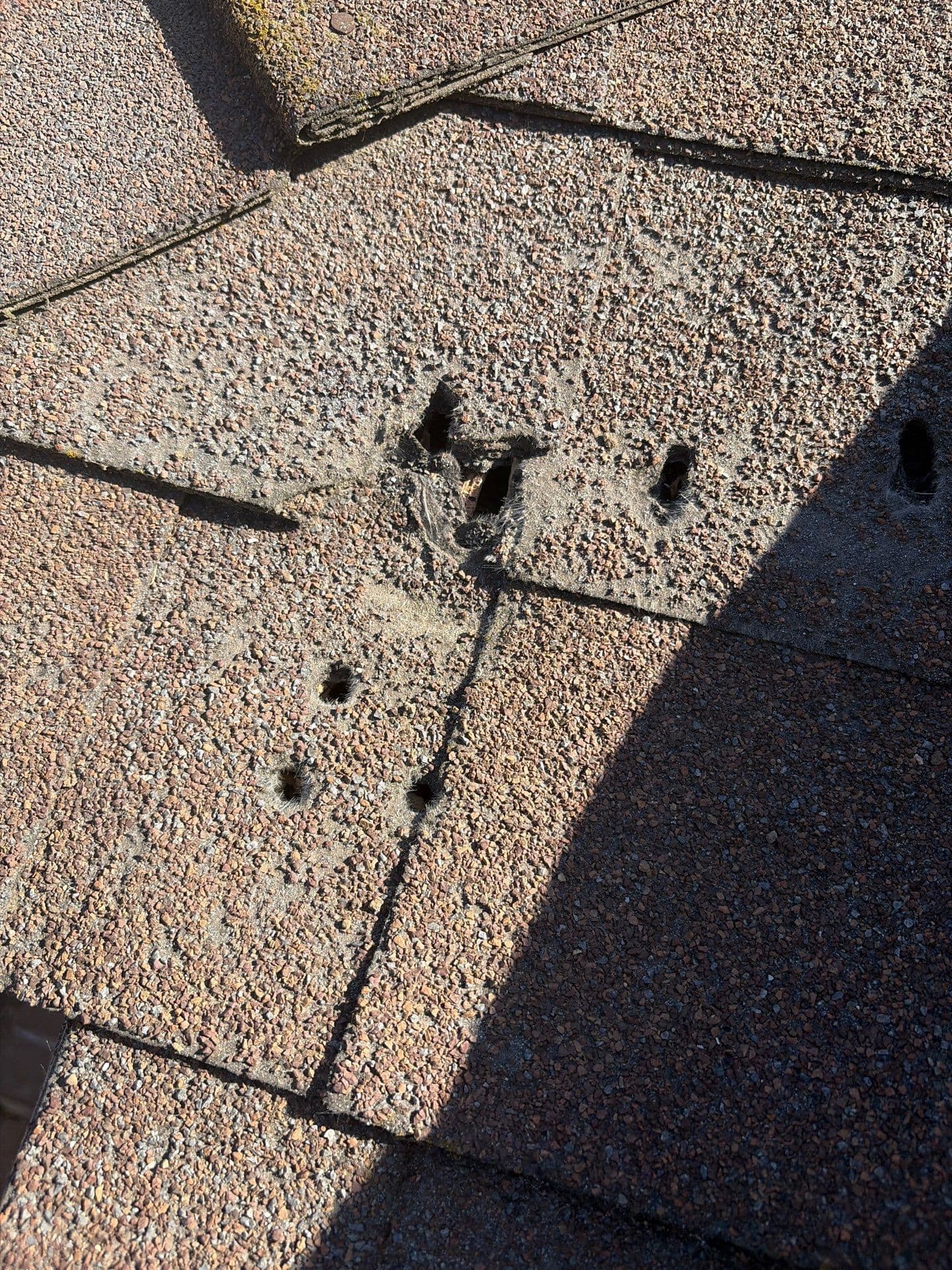
We get on the roof. Slope, substrate, granule loss, flashings, penetrations, ponding, and structure. We do not guess from the driveway and we do not read your roof off a satellite image.
Step 2
Documented findings
Photos stay with the notes, so you see what we saw. If we ever show a photo of your roof publicly, it gets a city and nothing else — no name, no address.
Step 3
Honest recommendation
One of three paths: rejuvenate, resurface, or replace. We name the specific thing about your roof that pushes it from one path to the next.
Step 4
Written proposal
Scope, price, and warranty in writing. Solar removal, permits, and deck repair allowances are called out when they apply, before you sign anything.
What moves a roof to the next path
Toward rejuvenation
Asphalt shingles, structure sound, leaks under control, and granule loss that has not reached exposed mat.
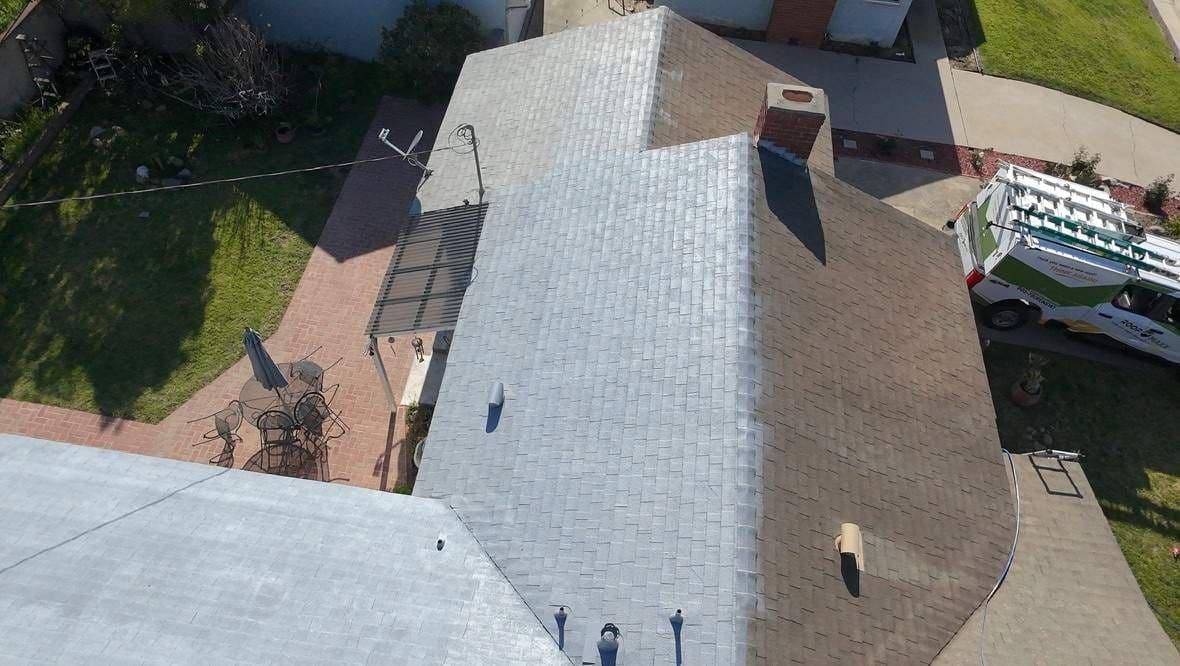
Toward Roof Coat
Color change needed, a carrier that wants a uniform surface, or composition past Roof Maxx qualification but still holding. Roof Coat is a film. It does not reset the install year.
Toward replacement
Soft deck, widespread leaks, tile or metal that cannot be coated, or a carrier that will not keep the existing roof no matter what we document.